Why EV Chargers Go Offline — The Real Causes Behind Charging Network Downtime
Public EV charging networks are often evaluated based on uptime metrics, yet real-world charging reliability involves far more than whether a charger is technically online. Drivers experience reliability through successful charging sessions, not simply through network connectivity.
Industry studies suggest that 20–30% of charging attempts can fail due to operational or technical issues across the industry. This gap between reported uptime and real-world reliability highlights the complexity of charging infrastructure.
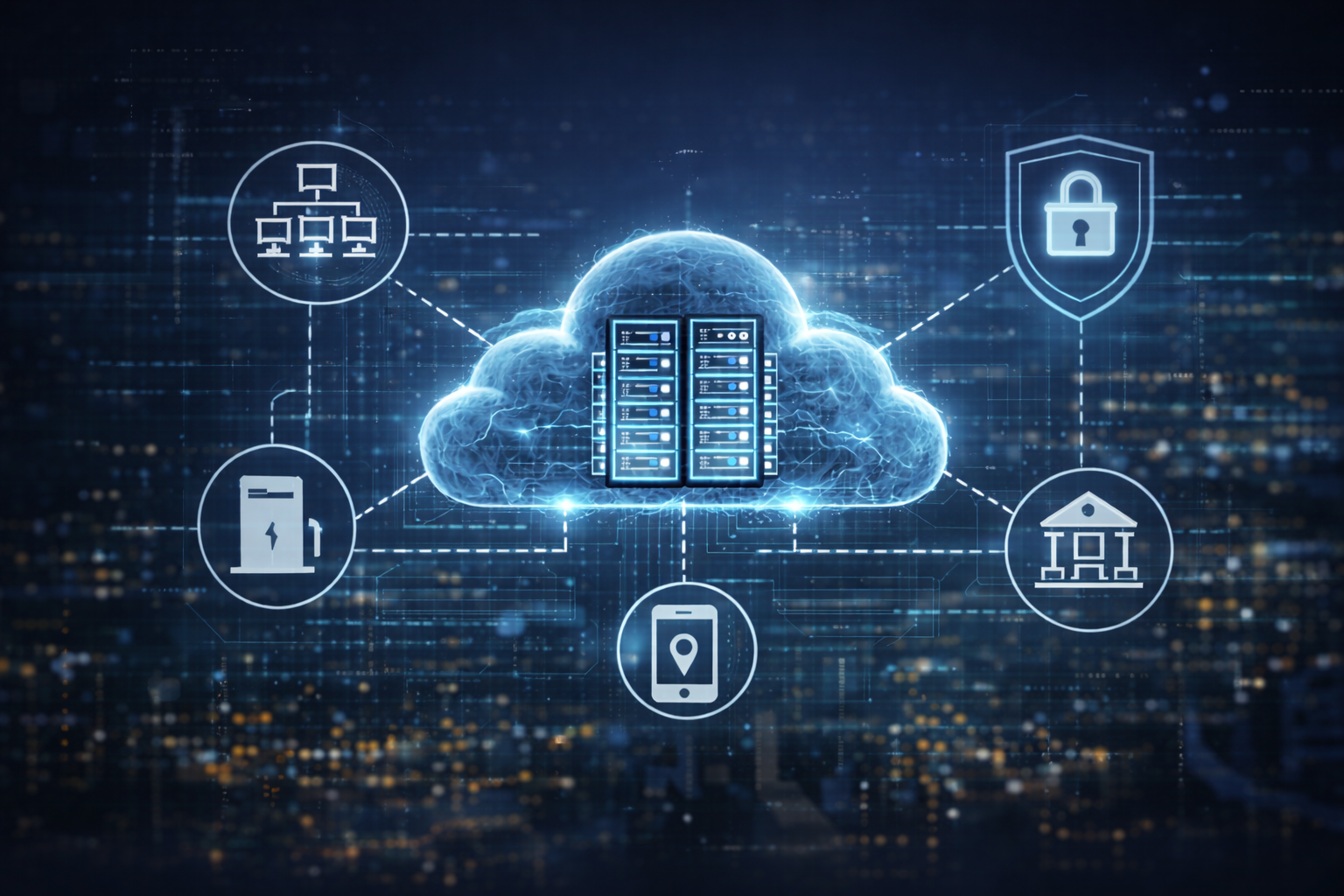
Modern EV charging systems combine hardware, communications networks, cloud software platforms, and payment infrastructure. If any part of this ecosystem fails, the charging experience can break down.
S44 Energy builds EV charging software platforms that power real-world charging networks and help operators monitor and manage charging infrastructure at scale.
Connectivity Failures
Most EV chargers rely on persistent connectivity to a backend Charging Station Management System (CSMS). Chargers typically communicate using the Open Charge Point Protocol (OCPP), sending status updates and session messages in real time.
Connectivity issues may occur due to:
• cellular network instability
• firewall or network configuration issues
• poor signal strength at installation sites
• backend platform outages
If communication fails, the charger may become unavailable to drivers even though the hardware itself is functional.
Firmware and Software Compatibility
Charging stations contain embedded software that manages session control, communication, and safety functions. Firmware updates occasionally introduce incompatibilities with backend systems.
Because charger manufacturers implement OCPP slightly differently, backend systems must carefully handle protocol variations across devices.
Power Infrastructure Constraints
Electrical infrastructure also plays a critical role in charging reliability. Voltage instability, transformer limitations, or local grid issues can cause chargers to shut down or operate intermittently.
Fast DC charging stations require substantial electrical capacity, and poorly sized infrastructure may trigger protective shutdowns during peak demand.
Hardware Wear
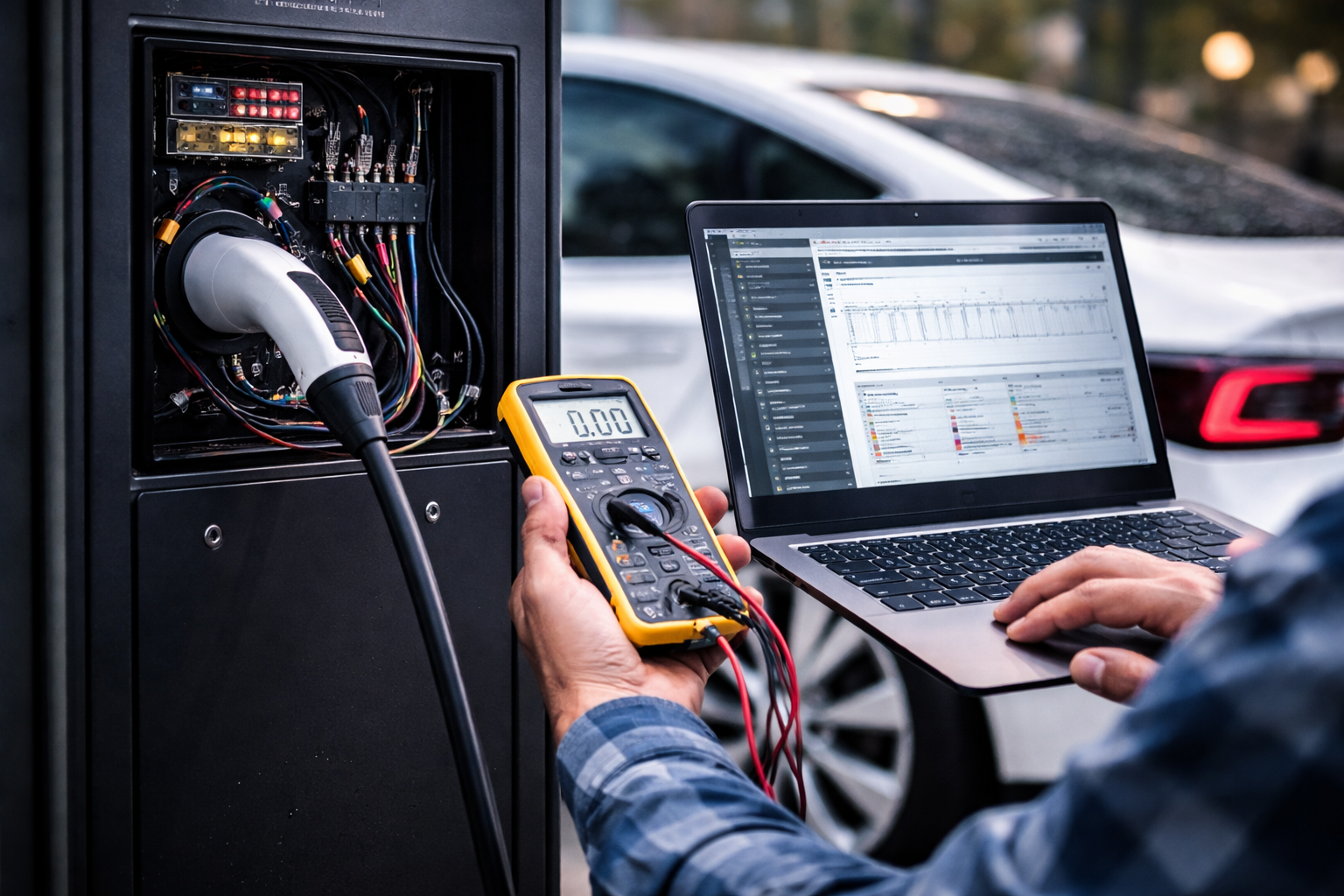
Mechanical wear remains a frequent cause of failures. Connectors and cables experience heavy use and may degrade over time.
Routine maintenance and monitoring systems help identify hardware problems before they impact drivers.
Operational Monitoring
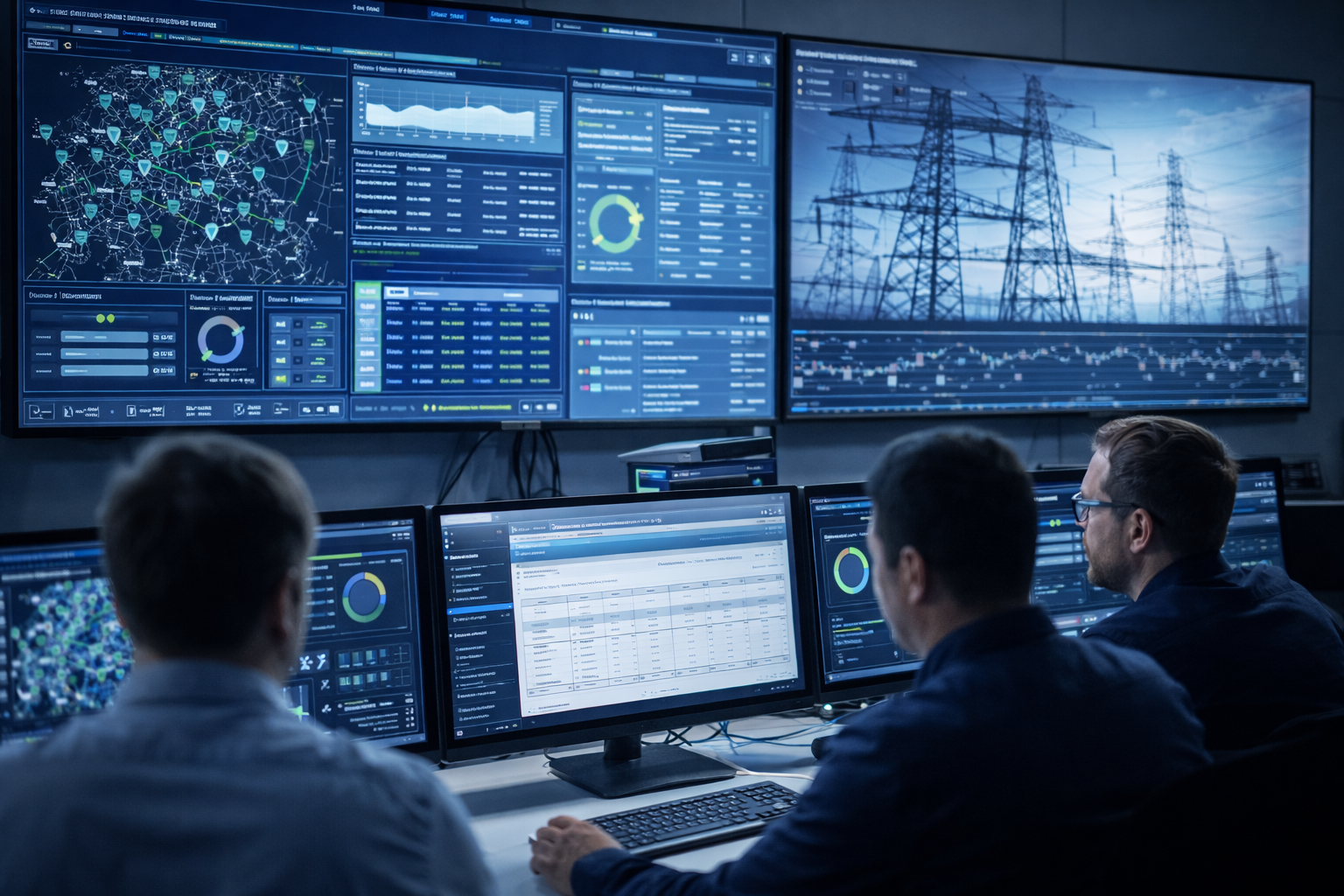
High-performing networks use monitoring systems that track:
• charger heartbeat signals
• device fault notifications
• session success rates
• energy delivery performance
Operational reliability ultimately depends on the ability to monitor infrastructure, analyze network behavior, and respond quickly to emerging issues.
From Reactive Maintenance to Predictive Reliability
As EV charging networks scale, reliability will increasingly define the driver experience. While hardware failures do occur, the majority of charger downtime originates from issues that can be identified long before they disrupt a charging session—communication instability, firmware conflicts, power anomalies, or abnormal device behavior.
Modern charging networks therefore require more than reactive monitoring. They require platforms capable of analyzing device telemetry, identifying patterns across large charger fleets, and predicting failures before they occur.
This is where intelligent charging software plays a critical role. Platforms built on open standards and equipped with advanced analytics can continuously monitor charger performance, flag anomalies, and surface early indicators of potential issues—often days or weeks before they lead to downtime.
At S44 Energy, our EV charging software platforms—including CitrineOS and TopazEV—are designed to give charge point operators and charger manufacturers the operational visibility needed to maintain reliable networks at scale. By applying machine learning to charger telemetry, network communications, and operational data, these platforms can identify patterns that signal emerging faults and enable predictive maintenance workflows.
The result is fewer unexpected outages, faster issue resolution, and more efficient field service operations. Operators can reduce maintenance costs, maximize charger uptime, and deliver the reliable charging experience drivers increasingly expect.
As EV infrastructure continues to expand globally, the networks that succeed will be those that combine robust hardware with intelligent software—transforming charging operations from reactive troubleshooting to proactive reliability management.