EV Charging Is Becoming a Payments Network
EV charging networks are scaling rapidly worldwide, but payment systems remain misaligned with how charging operates. Many operators rely on SaaS platforms where payments are embedded inside proprietary software stacks. This limits merchant control, obscures transaction economics, and locks operators into rigid systems that quietly erode margins.
Why Payments Are Difficult in EV Charging
A charging session is not a simple retail purchase. It involves dynamic pricing, session pre-authorization, combined time- and energy-based billing, idle fees, and revenue sharing between multiple parties.Fleet operators require driver-level wallets and permissions. Multi-location networks need programmable settlement rules. Utilities require support for incentives and demand-response programs. Retail payment models were designed for fixed purchases, not usage-based energy services, and forcing them into this role introduces inefficiency.
From User Accounts to Transaction Authorization
DC fast charging makes the problem more visible. Capital costs are high, energy prices fluctuate, and most transactions are small. Even minor payment inefficiencies materially impact profitability. Operators who do not control their merchant accounts cannot optimize interchange fees, route transactions across processors, or control settlement timing. Payments are often treated as a background function, but in charging they are one of the few levers operators can directly influence.
Programmable payment platforms provide a path forward. Modern API-based systems — such as those offered by Stripe— allow payments to be handled as part of operational logic rather than an afterthought.
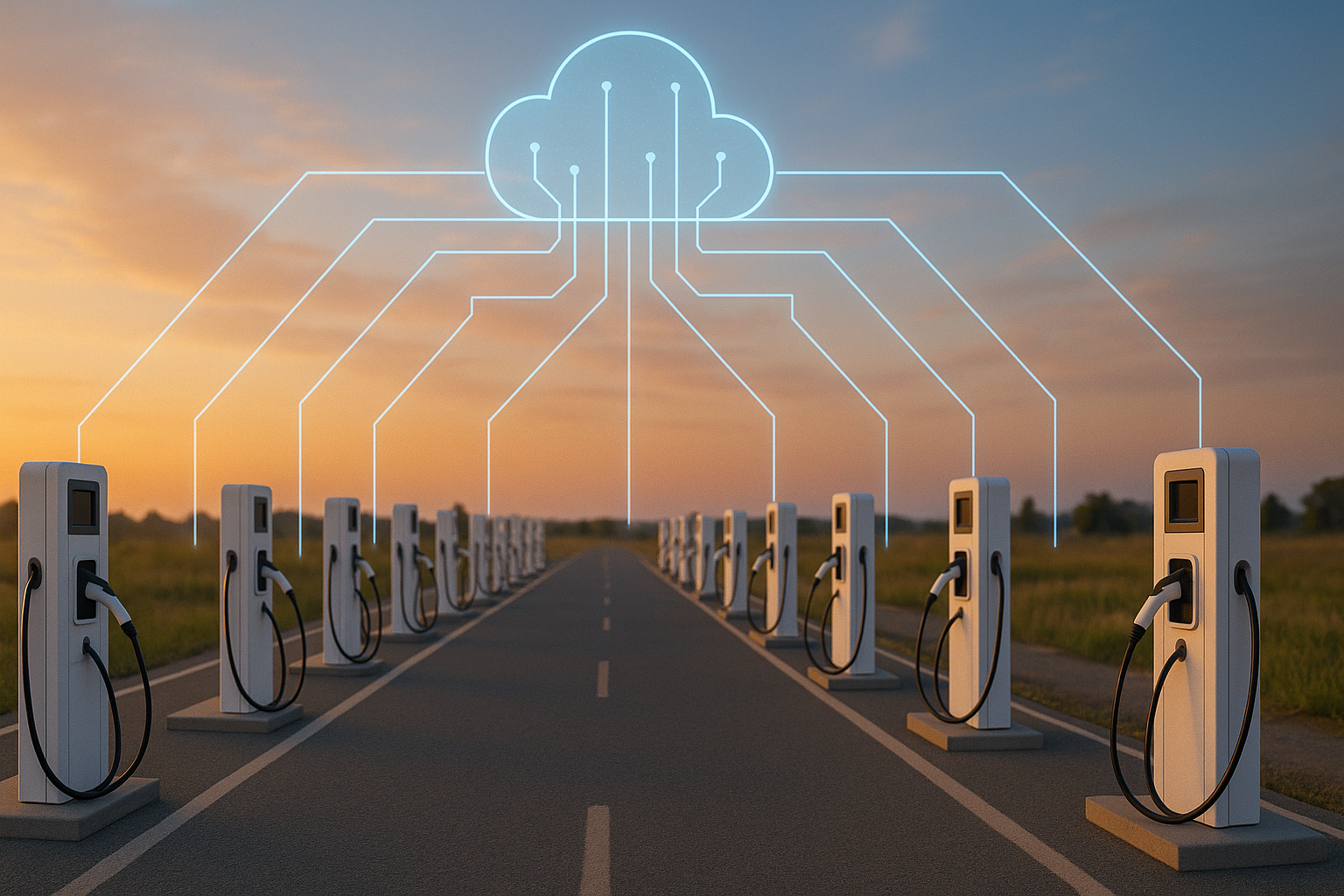
When combined with an open and modular charging management platform like CitrineOS, operators can coordinate settlement across site hosts, fleets, roaming partners, and service providers. They can automate subscription billing, fleet reimbursement, and incentive programs while maintaining direct control of the merchant relationship.
Open Charging Platforms and Programmable Payments
TopazEV builds on the CitrineOS foundation with production deployment, commercial modules, and operational reliability. S44 Energy extends this further with payment orchestration, multi-processor routing, and embedded finance capabilities. This approach enables operators to protect margins, scale internationally, and adapt as business models evolve.Open architecture also preserves full transaction data ownership, which supports pricing strategy, demand planning, and financial reconciliation. Proprietary SaaS platforms rarely provide this level of visibility or control.
As payment providers expand into mobility and usage-based commerce, dependency risks increase. Relevant industry developments include advances in digital identity and in-vehicle payments (see Stripe Identity and Visa Connected Commerce). Operators tied to closed platforms face limited processor choice, reduced negotiating leverage, and potential systemic exposure. Networks built on open charging platforms and programmable payments retain operational independence and financial flexibility.
CitrineOS, TopazEV, and the services built around them are designed for this model. Charging networks can control their software, their payment relationships, and their transaction data from the beginning.
Payments are no longer a feature of charging infrastructure. They are part of the infrastructure itself — and the operators who recognize that early will have a measurable economic advantage.
Recent coverage speculating about a potential PayPal acquisition involving Stripe.
Frequently asked questions:
What is Plug & Charge?
Plug & Charge is an EV charging method based on ISO 15118 that allows a vehicle to automatically authenticate and start charging without an app or RFID card.
Why are payments complex in EV charging?
Charging sessions use variable pricing, delayed authorization, and multi-party settlement, which standard retail payment systems were not designed to handle.
Do charging networks need their own apps?
As vehicle identity and wallet authorization grow, networks may rely less on apps and more on transaction processing and settlement infrastructure.